

Restoring safe drinking water after cyclones.
Rebuilding the water infrastructure Madagascar loses to every cyclone season, and hardening what comes next against the storms projected for the decades ahead.
An island in a cyclone corridor.
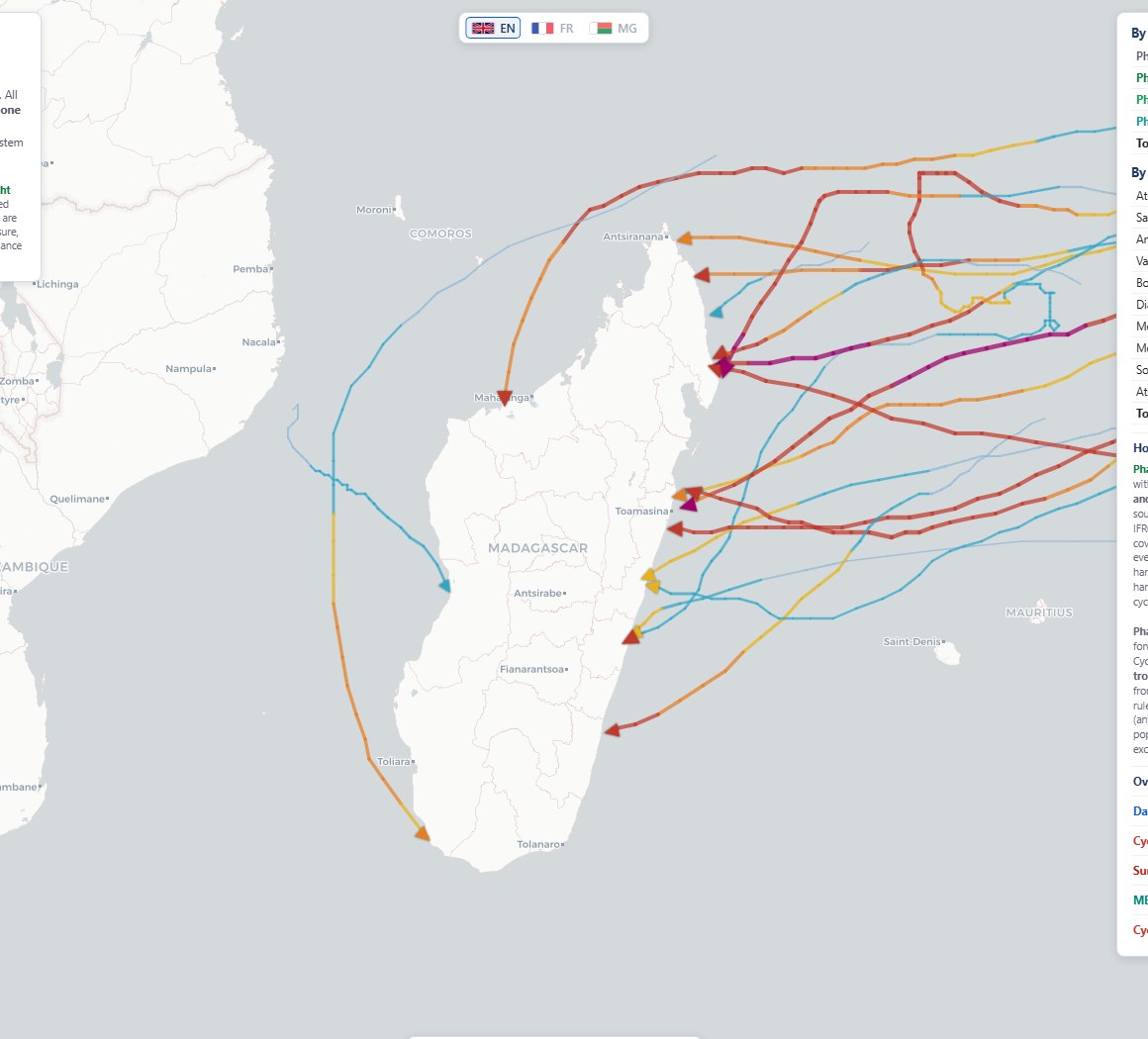
Madagascar sits in one of the world's most active tropical cyclone corridors. Cyclones make landfall on the island's coasts almost every year, and each one damages or destroys drinking-water infrastructure, flooding boreholes, contaminating wells, tearing out pump gear, and severing distribution networks that vulnerable rural communities depend on.
The 2026 season alone brought two Category-3 cyclones. Fytia made landfall on the north-west coast on 31 January; Gezani struck Toamasina on the east coast on 10 February. Between them they damaged water infrastructure across eleven districts, leaving communities without safe drinking water at exactly the moment waterborne disease risk peaks. It is a pattern SaniTap and MadAvance have watched repeat every year across the 2022–23 to 2025–26 seasons.
The pattern is intensifying. The IPCC and Madagascar's National Adaptation Plan both project a rising share of severe cyclones this century as ocean warming feeds storm energy and rainfall. Rebuilding the same infrastructure that just failed is a straight-line invitation to rebuilding it again in the next storm.
Two actions, one programme.
SaniTap takes action on both sides of the cyclone-water problem, repairing loss already suffered, and strengthening what replaces it.
Restoring damaged systems
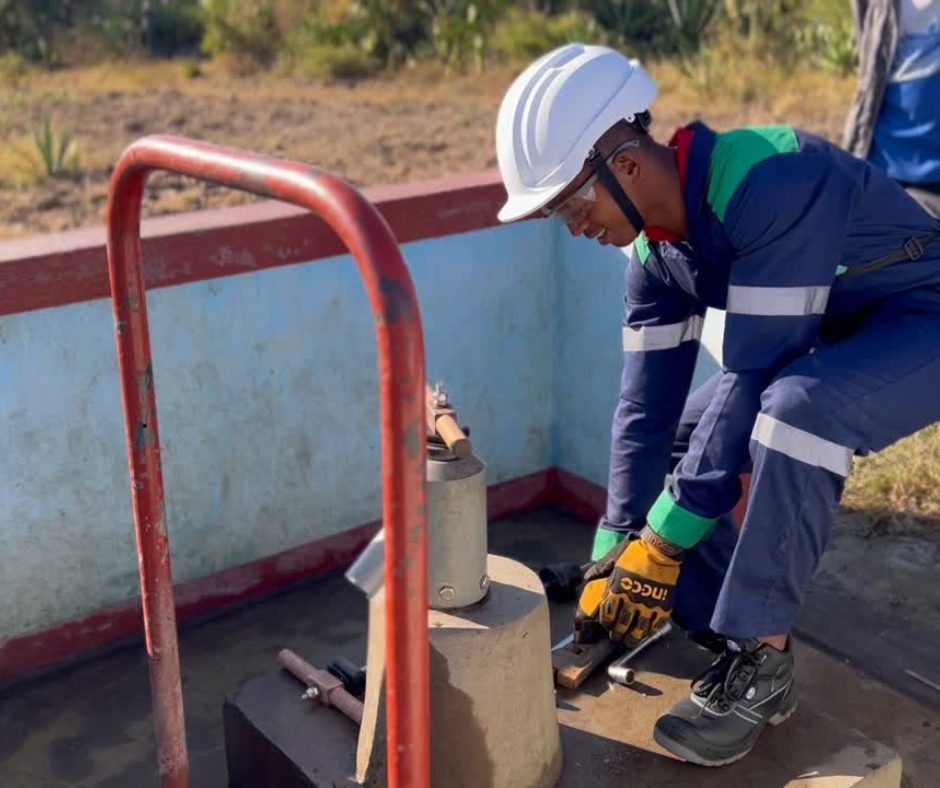
Repairing drinking-water systems damaged in the 2026 cyclones, the loss-and-damage response to harm already done. Priority to fokontany in the eleven affected districts inside the five Government priority regions, ranked by exposure and population served.
Cyclone-resistant rebuilds
Installing cyclone-resistant safe drinking water systems designed to survive the storms projected for the decades ahead, elevated tanks, sealed borehole covers, tie-downs and materials specified to survive Category-3 winds and the flood pulses that follow.
MadAvance on the ground
Field crews, GIS survey, community consultation, and the maintenance discipline that keeps systems working after the ribbon-cutting. This is not a build-and-leave programme.
Every eligible site, ranked in the open.
The Cyclone-Resistant Safe Drinking Water programme runs its exposure ranking on every fokontany in coastal Madagascar. Every layer is public, every parameter stated, no discretion applied to the ranking itself.
The evidence behind the ranking.
Cyclone-exposure scoring for Madagascar
How the ranking is built, data sources, filters, and the exposure × population formula that decides which fokontany qualify for each phase.
ContextMadagascar cyclones, record and outlook
The historical landfall record and the projected trajectory of Category-3+ cyclones through the rest of the century.
SequencingPost-cyclone rehabilitation vs pre-cyclone hardening
Why the response and the prevention arms of the programme sit alongside each other rather than in sequence.
The cyclone-exposure evidence base
Cyclone-exposure scoring, how SaniTap ranks 3,383 coastal fokontany
Every coastal community faces the same question before a cyclone-hardened water programme can prioritise anything: how often will a damaging storm strike here,...
14 MIN READ Climate science
Madagascar's cyclones, the record, the outlook to 2100, and what it means on the ground
The destructive capability bearing on Madagascar's people has risen about 4.6× since the 1980s and is on course for roughly 8× by the 2050s. Not more cyclones....
12 MIN READ Strategy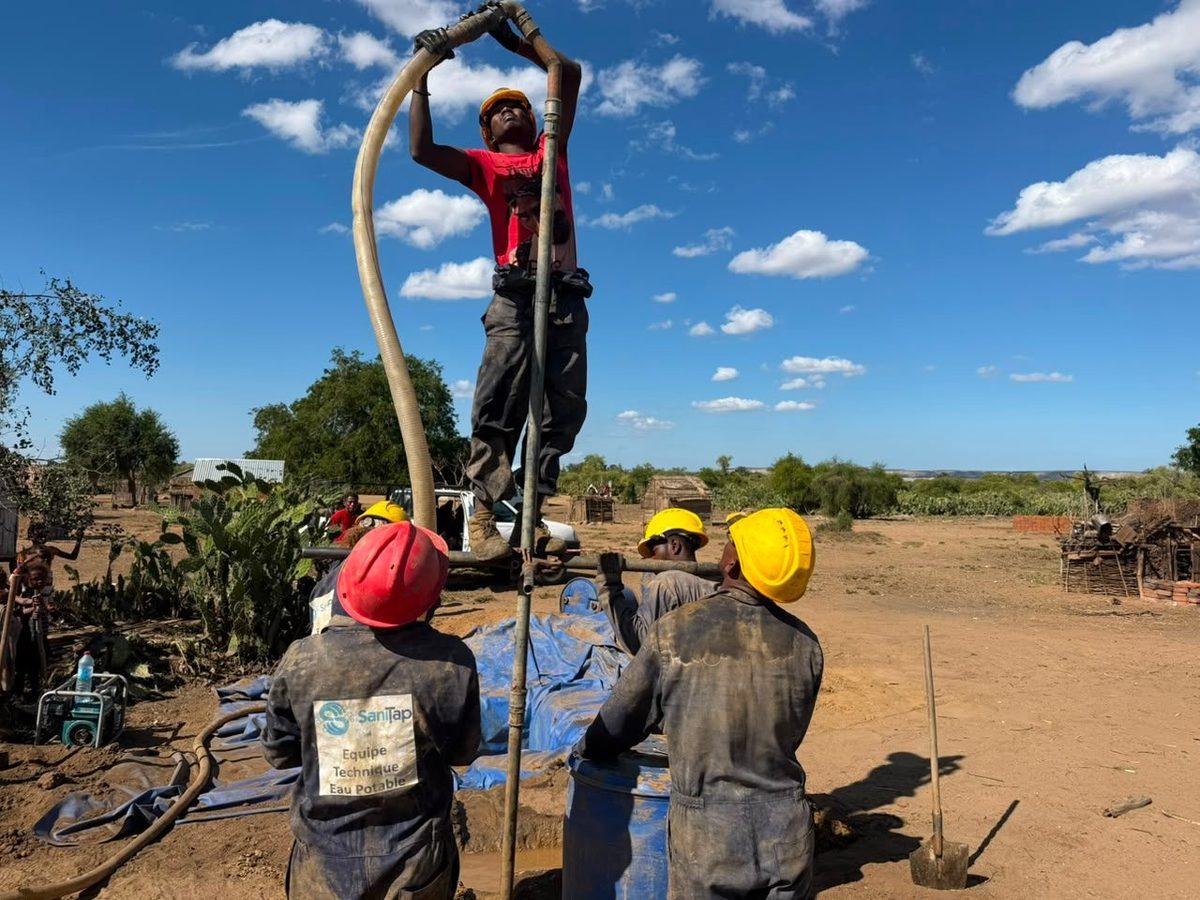
Post-cyclone rehabilitation vs pre-cyclone hardening, the sequencing question
Every cyclone-response programme faces the same fork: rebuild what the storm destroyed, or invest in infrastructure designed to survive the next one. Different...
11 MIN READ Climate science
When lightning strikes twice, predicting cyclones in Madagascar
How cyclones over Madagascar are predicted, why they are getting stronger, and what that means for building drinking-water systems that survive the storm. Three...
14 MIN READFund or partner on Loss & Damage restoration.
Talk to us about co-financing the restoration of cyclone-damaged drinking-water systems in Madagascar.